
When you’re planning a trip to Japan or attending a traditional Japanese event, you’ll likely come across the terms yukata and kimono. While both are iconic Japanese garments, they’re not interchangeable – and choosing the wrong one can make a big difference in your overall experience. You might be wondering, what sets them apart? Is it the fabric, the design, or the occasion? As you prepare to immerse yourself in Japanese culture, understanding the nuances between yukata and kimono will ensure you make the right impression. But first, let’s start with the basics…
History of Yukata and Kimono
As you delve into the world of traditional Japanese attire, you’ll likely encounter two garments that often get confused with one another: the yukata and the kimono.
While both are traditional Japanese garments, they’ve distinct histories. The kimono, with its origins dating back to the Heian period (794-1185 CE), was initially worn as an undergarment.
Over time, it evolved into a more complex, multi-layered garment reserved for special occasions.
On the other hand, the yukata emerged during the Edo period (1603-1868 CE) as a casual, summer garment worn by men and women alike.
Its simplicity and comfort made it a staple in Japanese daily life, particularly during festivals and hot summer months.
Despite their different origins, both garments have become synonymous with Japanese culture, with the kimono representing formality and the yukata symbolizing relaxation.
Understanding their unique histories will help you appreciate the significance of each garment in Japanese tradition.
Design and Fabric Differences
Dive into the world of yukata and 振袖 前撮り design, and you’ll discover distinct styles that set these traditional Japanese garments apart.
The most noticeable difference lies in the design patterns and fabrics used. Yukatas typically feature bold, vibrant designs, often with repeating patterns of flowers, leaves, or waves.
These casual, summery designs are perfect for hot summer days and festive occasions.
In contrast, kimonos boast more subtle, intricate designs, often with natural motifs like cherry blossoms or cranes.
The fabric used for kimonos is usually silk or high-quality synthetic fabrics, which gives them a more luxurious feel.
When it comes to fabric, yukatas are often made from lightweight, breathable materials like cotton or synthetic blends.
This makes them perfect for warm weather and outdoor activities.
Kimonos, on the other hand, are typically made from heavier, more formal fabrics that drape elegantly on the body.
The fabric choices and design patterns reflect the different purposes and occasions for which these garments are worn.
As you consider renting a yukata or kimono, think about the occasion and the vibe you want to achieve – bold and playful or elegant and refined?
Occasions for Wearing Yukata
During Japan’s sweltering summer months, you’ll find yukatas being worn at outdoor festivals and celebrations, where their lightweight, breathable fabric is a welcome relief.
These casual, comfortable garments are perfect for hot summer evenings spent watching fireworks, enjoying traditional street food, or strolling through lantern-lit gardens.
You might also wear a yukata to a summer matsuri, a traditional Japanese festival, where you can join in on the fun and games, or simply soak up the lively atmosphere.
Additionally, yukatas are commonly worn at onsen, Japanese hot springs, as a comfortable and practical choice for lounging around the resort.
Some ryokans, Japanese inns, even provide yukatas for their guests to wear during their stay.
Kimono Styles and Variations
Kimono enthusiasts can explore a vast array of styles and variations, each with its unique characteristics, fabrics, and meanings.
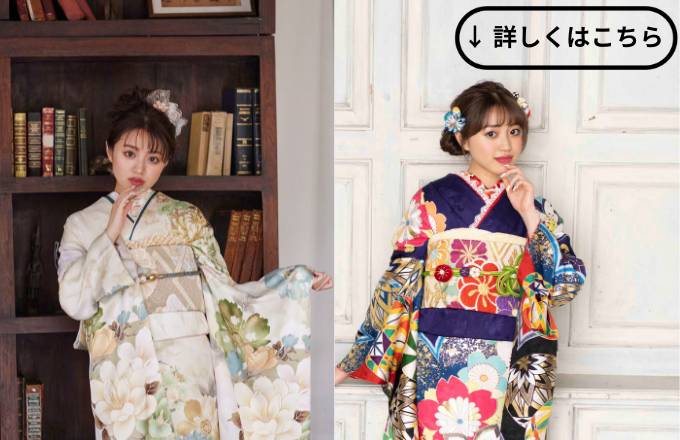
You’ll find kimonos designed for specific seasons, occasions, and even occupations. For instance, the Furisode kimono, with its long sleeves, is typically worn by unmarried women, while the Kurotomesode, a black kimono with white or colored designs, is reserved for married women.
You might come across the Yukata-inspired kimono, which shares similarities with its casual cousin but boasts more elaborate designs and higher-quality fabrics.
The Uchikake, a highly ornate and decorative kimono, is often worn by brides on their wedding day. Then there’s the Hakama, a divided kimono skirt worn by both men and women, commonly seen at martial arts events or traditional festivals.
As you delve deeper, you’ll discover kimonos made from various fabrics, such as silk, cotton, or synthetic blends, each affecting the garment’s texture, drape, and overall appearance.
With so many styles and variations to choose from, you’re sure to find a kimono that suits your taste and preferences.
Choosing the Right Rental Option
You’ve explored the diverse world of kimonos, and now you’re ready to wear one.
When choosing a rental option, consider the occasion and your personal style. If you’re attending a traditional tea ceremony or a formal event, opt for a more formal kimono style, such as a kurotomesode or a furisode.
These styles are typically made of high-quality fabric and feature intricate designs. For a more casual event or a stroll around town, a yukata or a komon kimono might be a better fit.
These styles are often made of lightweight fabric and feature simpler designs.
Next, think about the level of assistance you need. Some rental shops offer full-service packages that include dressing and styling, while others may only provide the garment.
If you’re new to wearing kimonos, consider opting for a full-service package to ensure you’re dressed correctly.
Conclusion
Now that you know the difference between yukata and kimono, it’s time to decide which one to rent. Consider the occasion, your personal style, and the level of formality you need. If you’re attending a traditional tea ceremony or a formal event, a kimono is the way to go. But if you’re looking for a comfortable, casual option for a summer festival or stroll, a yukata is the perfect choice. Choose wisely, and you’ll be sure to make a great impression!
