
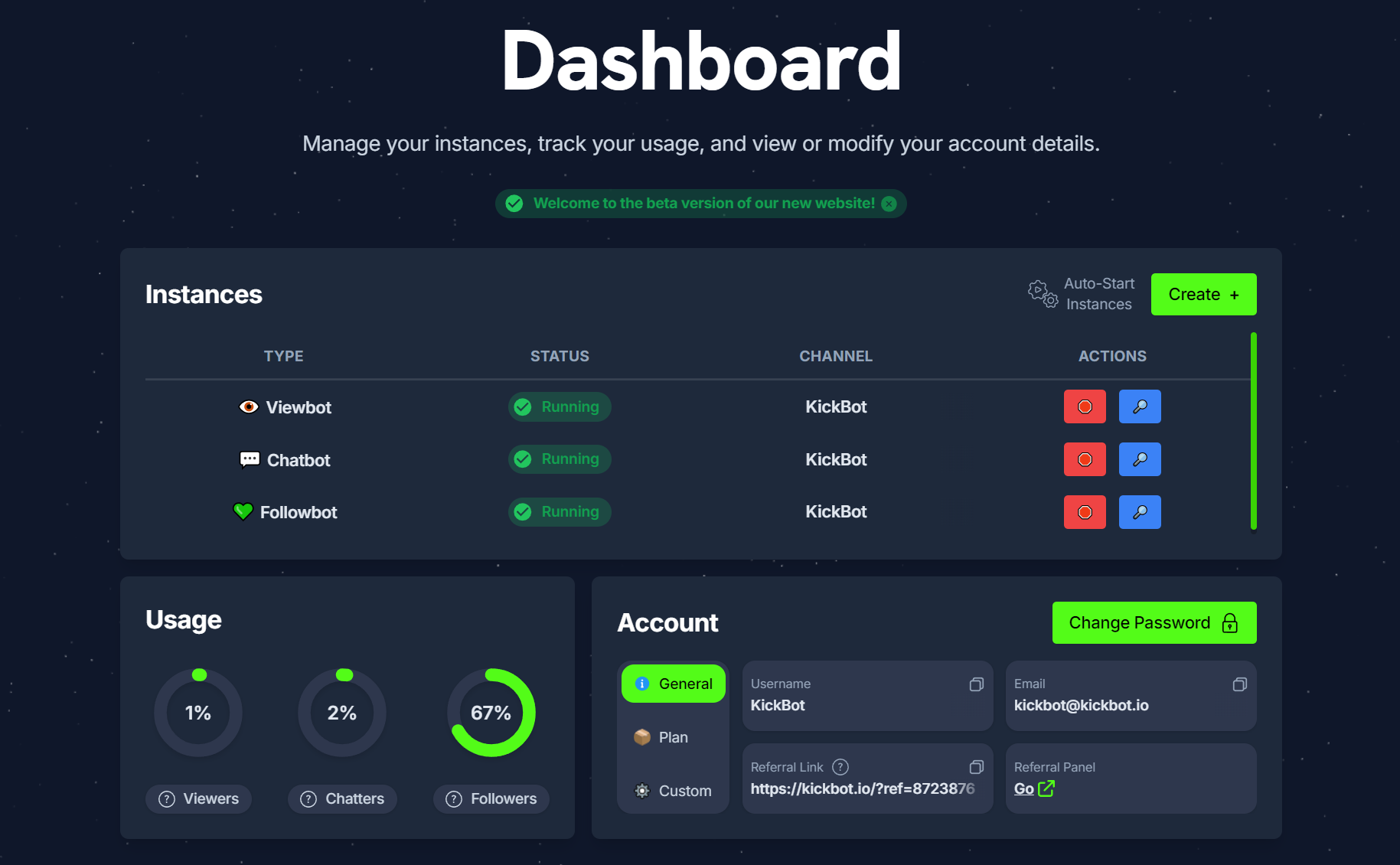
As you venture into the world of bot-related kick content, you’re likely wondering how to make your chatbot’s output shine in search engine results. The key lies in understanding that search engines aren’t just looking for keywords, but also a seamless user experience. You’ll need to balance providing valuable information with optimizing your content for crawlers. But where do you start? By grasping the intricacies of bot-generated content and its unique challenges, you’ll be well on your way to driving more traffic to your platform. But that’s just the beginning – there’s more to explore.
Understanding Bot-Generated Content
About 60% of internet users interact with bots daily, often without even realizing it.
You might’ve chatted with a customer support bot, played a game with a virtual assistant, or even received personalized product recommendations from an e-commerce site. These interactions are made possible by bot-generated content, which is becoming increasingly prevalent online.
As you navigate the digital landscape, you’ll come across various types of bot-generated content, including automated emails, social media posts, and even entire articles.
While some bots are designed to provide helpful information, others can produce low-quality or duplicate content that can harm your online reputation. It’s essential to understand the role of bots in content creation and how they can impact your online presence.
You need to be aware of the viewbot that are generating content on your behalf, ensuring they produce high-quality, engaging, and SEO-friendly content that resonates with your target audience.
Keyword Research for Chatbots
Your chatbot’s conversational flow is only as good as the keywords it’s programmed to respond to. That’s why conducting thorough keyword research is essential to creating a chatbot that provides valuable responses to users’ queries.
You’ll want to identify the most relevant keywords and phrases your target audience is using when searching for information related to your chatbot’s topic.
Start by brainstorming a list of keywords and phrases you think are relevant to your chatbot’s content.
Then, use keyword research tools like Google Keyword Planner, Ahrefs, or SEMrush to validate your assumptions and uncover new opportunities.
Analyze the search volume, competition, and cost-per-click for each keyword to prioritize the most valuable ones.
As you compile your list of target keywords, consider long-tail phrases that are more specific and less competitive.
These phrases will help your chatbot provide more accurate and relevant responses to users’ queries.
Optimizing Bot Dialogue Flow
Crafting a seamless dialogue flow is crucial to keeping users engaged with your chatbot. You want users to feel like they’re having a natural conversation, not just interacting with a machine.
To achieve this, you need to design a dialogue flow that’s intuitive, logical, and easy to follow. Start by identifying the core tasks and goals users want to accomplish with your chatbot. Then, break down these tasks into smaller, manageable steps, and create a flowchart to visualize the conversation path.
As you design the dialogue flow, keep in mind the user’s perspective. Anticipate their questions, concerns, and potential misunderstandings.
Use clear, concise language and avoid jargon or technical terms that might confuse users. Make sure your chatbot provides helpful responses, and that it’s easy for users to navigate back and forth within the conversation.
Structuring Data for Crawlers
By structuring your bot’s content to accommodate crawlers, you’ll significantly improve its online visibility and drive more traffic to your platform.
This involves organizing your data in a way that search engine crawlers can easily crawl, index, and understand. Start by using schema markup, a type of microdata that helps crawlers comprehend the context and meaning of your content.
This is especially important for bot-related content, as it often lacks the traditional HTML structure that crawlers are accustomed to.
Next, ensure your bot’s content is accessible and crawlable by using standard HTML and CSS. Avoid using JavaScript or other dynamic elements that can impede crawlers.
You should also use clear and descriptive headings, titles, and meta descriptions to help crawlers understand the structure and relevance of your content.
Finally, make sure your bot’s content is regularly updated and fresh, as this will encourage crawlers to return and re-index your platform more frequently.
Measuring Bot-Related SEO Success
As you’ve optimized your bot-related kick content for search engines, it’s now imperative to track and measure the success of your SEO efforts.
You need to know whether your optimization strategies are paying off and where you can improve.
To measure bot-related SEO success, focus on metrics that matter.
Start by monitoring your website’s organic traffic and its bounce rate. If your traffic is increasing, but your bounce rate is high, it could indicate that your content isn’t resonating with users.
Next, track your search engine rankings for target keywords. Are you moving up the ranks or stagnating?
Another key metric is engagement. Are users interacting with your content, such as likes, shares, or comments?
Finally, keep an eye on your conversion rate. Are users taking the desired action, like filling out a form or making a purchase?
Conclusion
You’ve now got a solid foundation for optimizing your bot-related kick content for SEO. By structuring data for crawlers, conducting thorough keyword research, and creating high-quality content that resonates with your audience, you’ll be driving more traffic to your platform in no time. Remember to track and measure your SEO success to refine your strategies and take your chatbot content to the next level.

